Every sales page I write has a section called ‘Who this is for’. It contains two parts: ‘This IS for you if’ and ‘This is NOT for you if’.
Adding the ‘Who this is for’ section allows people to self-select. The ones who I’m speaking to immediately resonate with my offer and people who don’t, well, they leave.
Since doing this, my conversion rates have seen a significant increase. When I announce a new product to my email list, I consistently close sales at over 10%. That is considered exceptional in the expert author space.
Let’s take a look at my top selling online course. I’ll then compare that with my worst one, so you can get a comparison.
But before I do, I need to be clear. These results come from years of doing this stuff online.
If you are starting out, the whole point of my teaching is to get you to build a solid foundation for your expert author business.
So eventually, yes eventually, not today, not tomorrow, not next week, but within a year or so you can be in a solid position to achieve similar results.
Is that not what you want to hear? Oh, you thought you could achieve instant success in seven days. Get outta here!
Are you nuts. Look, if you’ve fallen for the author autopilot income from the beach bollocks, you are definitly in the wrong place.
I suggest you leave now, and go back to kindergarten where such fantasies get sold to the kiddies. This stuff is for adults, and it’s going to take work, serious work!
Now that’s off my chest, onto today’s lesson.
I recently ran a sales promotion for a live webinar on menopause with my friend, medical herbalist Alex Laird.
I record these live webinars and add them to my back catalogue as online courses. This helps me capture ongoing evergreen sales, and grows my back catalogue.
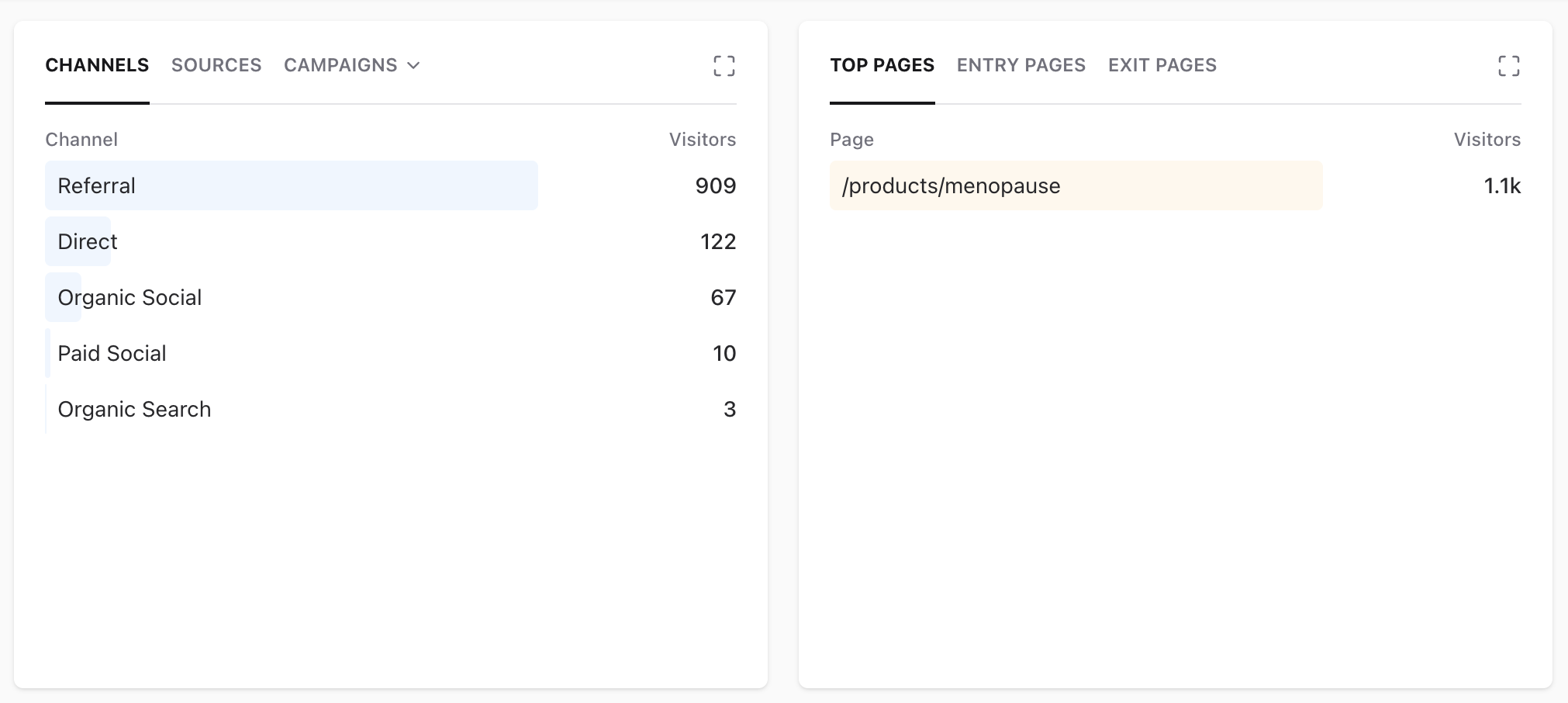
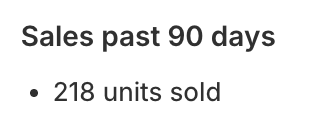
The sales page received 1,111 visitors from different channels, which made, at the time of writing, 218 sales.
Let’s do the maths:
Visitors: 1,111
Sales: 218
Conversion rate (CVR): 19.62%
That’s pretty crazy! The average conversion rate for expert authors selling directly on Shopify is only 3-5%.
To check that claim, just Google this: What is the average conversion rate for expert authors selling directly from a Shopify store?
Now let’s look at the worst-selling webinar on headaches and migraines.
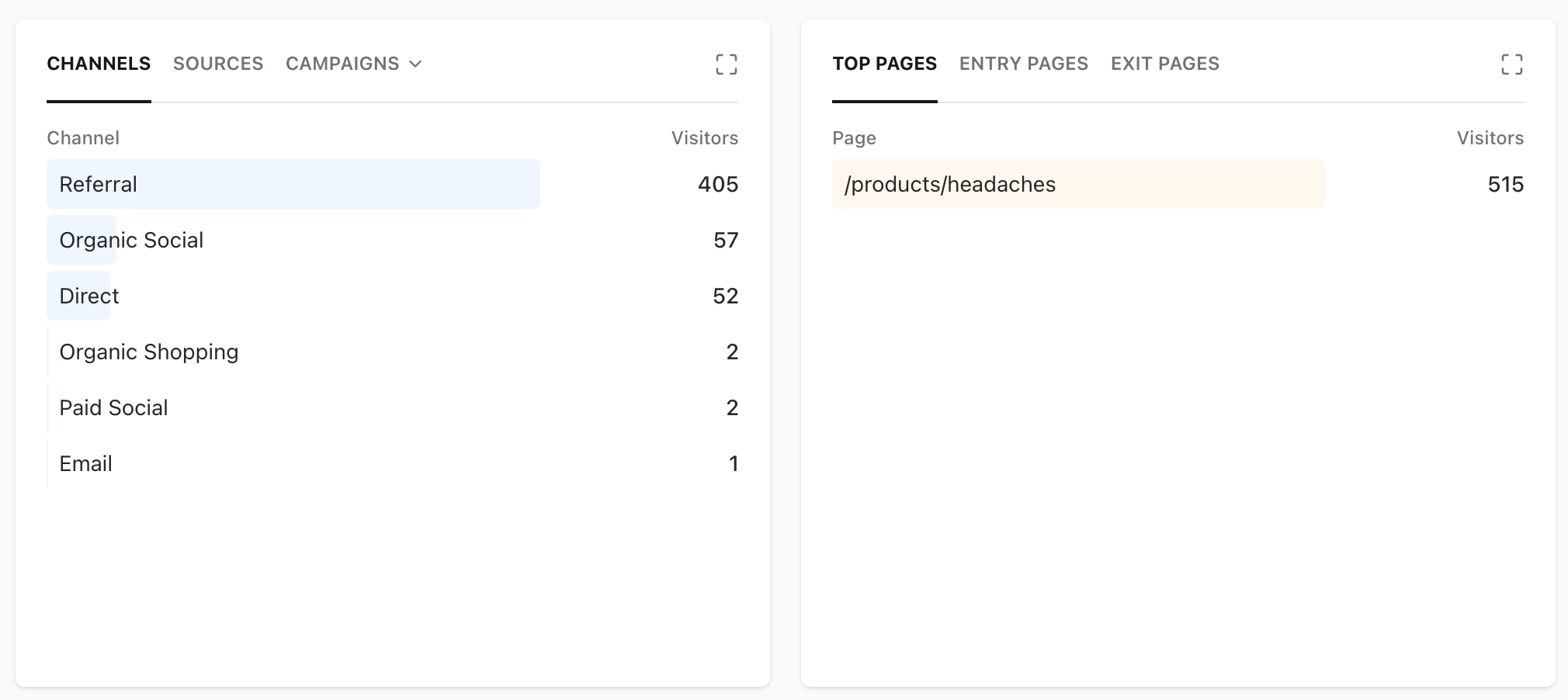
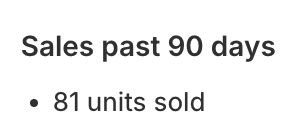
Here’s the maths.
Visitors: 515
Sales: 81
Conversion rate (CVR): 15.73%
The headaches and migraines product got much less traffic than my other topics. Despite this, it still achieved an impressive conversion rate of over 15%.
I challenge you to do some research, go out there, really try and unpack these figures. They’re not fake. I haven’t photoshopped them. They are genuine screenshots from my real business.
The power of these high conversion rates lies in many different moving parts of the puzzle, which I will cover in future posts.
One of those key puzzle parts, is the clear identification of your audience and understanding who they are NOT.
As expert authors, we need to become proficient direct response marketers. Screening out people you don’t want to attract is crucial.
Many authors try to speak to everyone, but this often means their message fails to reach anyone. The moment you say, ‘This is not for you,’ the people it IS for feel seen.
That one sentence says, ‘I know who I serve, and I’m not desperate.’ That is a golden nugget of wisdom you need to pay real attention to.
This isn’t about being rude. This is about having absolute clarity. Readers of your sales pages think, ‘Finally, someone gets me.’
This is the difference between resonance and dissonance.
Dissonance makes the visitor feel that they’re in the wrong place. Let’s be clear: that is not a failure. It’s the system working.
Weaving your values, ethics, and principles into your writing will attract some people and push away others. The filtering is the whole point of why we do this.
On Eatweeds, I say something like ‘If you want quick tips or flashy content, this isn’t for you. But if you’re looking for something slower, deeper — if you feel that ache for something more real — then I think you’ll feel at home here.’
That line filters thousands of people out. Good. The ones who stay are the ones I can actually serve.
When you try to speak to everyone, you water down the very thing that makes your work matter.
So today’s question: who is your work not for? Name them, write it down, and be specific.